With rising electricity tariffs in Singapore, homeowners with suitable roofs are increasingly turning to solar panels to reduce long-term energy costs. However, before making the switch, it’s important to understand how the numbers add up. This is where solar panel ROI, or return on investment, comes into play. This guide breaks the process down into clear steps so you can assess your potential returns with confidence.
Installing solar panels in Singapore is a long-term investment. Designed to operate efficiently for at least 25 years, a solar system continues to generate savings well beyond the initial installation cost. With a consistent electricity demand, a well-installed system can offset monthly utility bills and deliver predictable returns over time. To maintain these savings over the long term, the system must continue performing as expected. This is where the solar panel warranty becomes important.
Solar power is becoming a key pillar of Singapore’s transition towards renewable energy. According to the Sustainable Energy Association of Singapore, solar energy has the potential to meet up to 17% of the country’s electricity demand. As more homeowners and businesses respond to this shift, choosing the right solar financing is important. Solar panel loans, solar leases, and the Power Purchase Agreement (PPA) come with different cost structures, ownership models, and levels of commitment.
Solar power has quickly become one of Singapore’s most attractive long-term investments. As electricity prices continue to fluctuate and the nation accelerates its Green Plan 2030 goals, switching to solar allows property owners to lock in predictable energy savings, reduce carbon emissions, and increase property value. However, despite these benefits, solar safety must always come first.
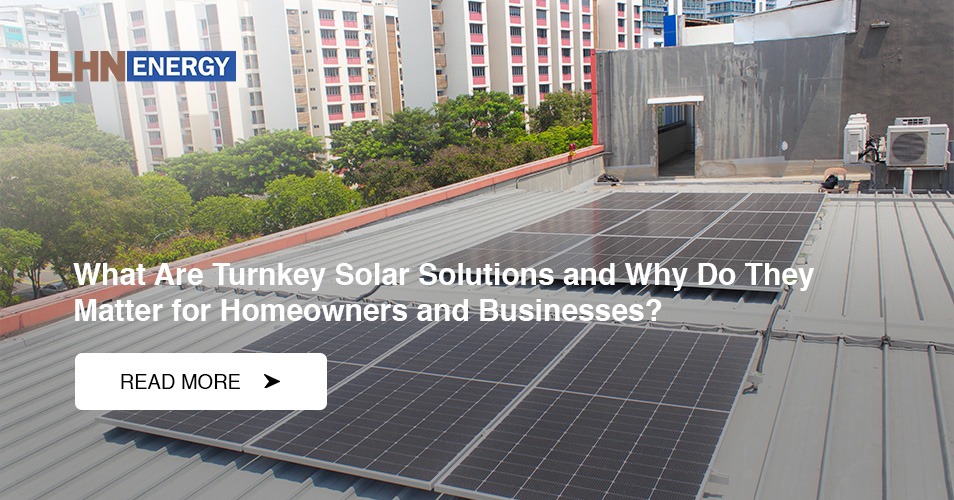
Singapore’s shift toward renewable energy is accelerating, with more homeowners and businesses installing solar panels to reduce electricity costs and improve sustainability. However, for many property owners, the biggest challenge is not the solar system itself. In fact, it is the complexity of managing design, installation, approvals, financing, and maintenance. Fortunately, turnkey solar solutions are here to make a difference. In this guide, we explore what these solutions are and why they matter for users.
As solar adoption rises across Singapore, more property owners and Management Corporation Strata Titles (MCSTs) are turning to renewable energy. They are increasingly looking for ways to reduce operating costs, strengthen sustainability efforts, and meet Green Mark targets. The most common question when choosing a solar model today is whether to go with PPA vs EPC. So, how do these two approaches differ? Let’s explore.