
Understanding Solar Panel Lifespan in Singapore’s Tropical Climate
Introduction
Singapore’s tropical environment provides strong solar irradiance throughout the year. However, solar panel lifespan in Singapore is shaped not only by sunlight availability, but also by humidity, heat, airborne pollutants, and seasonal weather cycles.
Rather than viewing solar panels purely as installed equipment, it is more accurate to regard them as long-term infrastructure assets influenced by environmental exposure. Understanding how climate conditions affect performance stability allows property owners to interpret output trends more accurately and protect long-term solar asset protection objectives.
This guide explores how climate conditions influence system performance and what property owners should understand about solar system durability in Singapore.
Key Takeaways:
1. How does Singapore’s climate influence solar panel lifespan in Singapore?
Heat, humidity, rainfall, and pollution gradually affect module surfaces and internal components, shaping long-term performance trends rather than causing sudden failure.
2. What contributes to solar panel efficiency loss over time?
Material ageing, thermal expansion cycles, micro-cracks, and environmental stress contribute to progressive efficiency decline across years of operation.
3. Why is solar system performance monitoring important?
Tracking output patterns helps distinguish seasonal variation from abnormal performance shifts, supporting informed asset management decisions.
4. How does environmental impact on solar panels influence system durability?
Environmental exposure affects panels, connectors, cabling, and inverters differently, influencing overall system stability and long-term performance.
5. How do seasonal weather cycles influence tropical climate solar performance?
Monsoon periods, haze events, and dry spells create predictable output fluctuations that reflect environmental impact rather than immediate system faults.
How Singapore’s Climate Influences Solar Performance
No matter if you are working with solar panels installed on residential rooftops, or commercial rooftop solar panels, solar infrastructure can break down based on many factors as it moves from early operation into mid-life and later years. Understanding these phases helps property owners plan inspections and servicing more effectively.
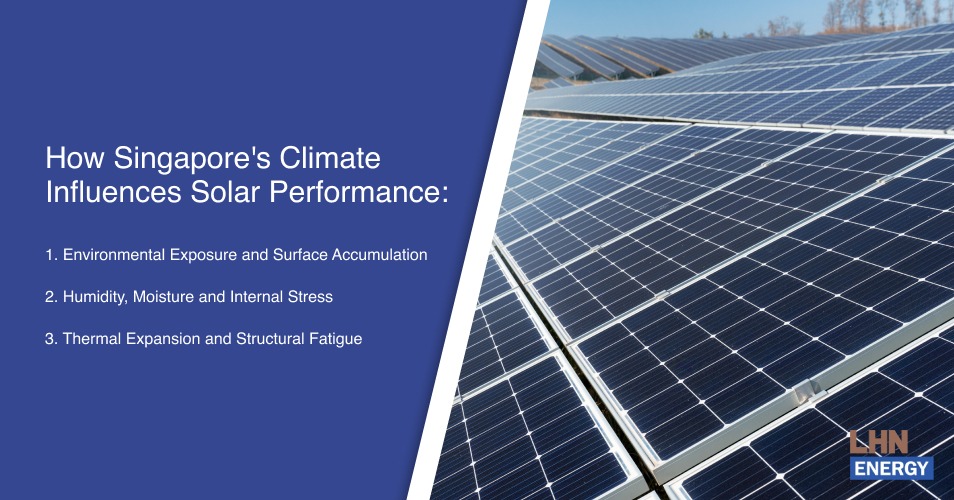
1. Environmental Exposure and Surface Accumulation
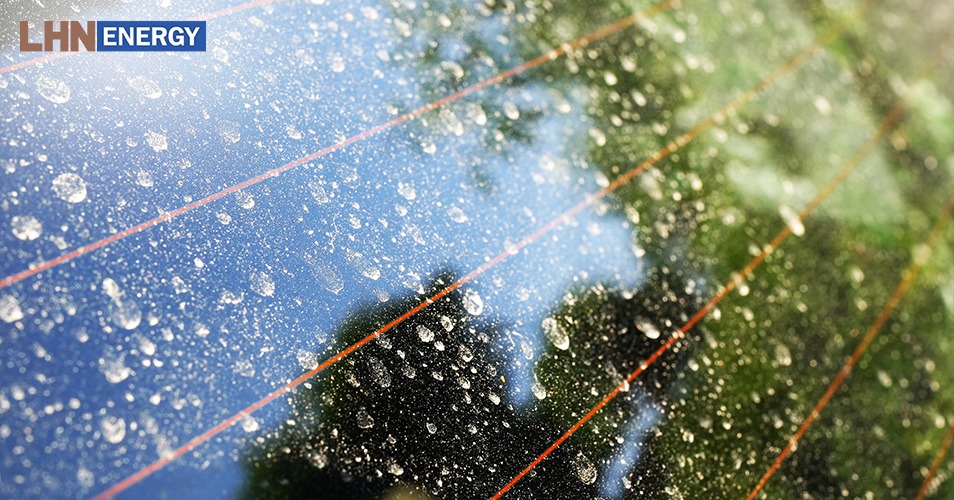
Urban construction activity, traffic pollution, and dry inter-monsoon periods contribute to gradual surface buildup on panels. While rainfall can remove loose debris, mineral residue and airborne particles may remain.
Over extended periods, surface accumulation can influence light absorption levels and contribute to gradual solar panel efficiency loss. The effect is subtle and progressive rather than dramatic.
Understanding the environmental impact on solar panels helps explain why performance trends shift over time.
2. Humidity, Moisture and Internal Stress
Singapore’s consistently high humidity places long-term stress on sealing materials and conductive pathways.
As modules age, protective layers may weaken. When moisture intrusion occurs, it can contribute to corrosion in connectors and junction boxes. These changes develop slowly and are influenced by years of tropical exposure.
This is a key factor affecting solar panel lifespan in Singapore.
3. Thermal Expansion and Structural Fatigue
Daily heating and cooling cycles cause repeated expansion and contraction across modules and wiring systems.
Over time, this may lead to:
Micro-Cracks Within Photovoltaic Cells
Small fractures can develop within photovoltaic cells due to mechanical stress and temperature variation. These micro-cracks may not immediately affect output but can influence solar panel efficiency loss gradually when combined with humidity and environmental exposure.
Gradual Bonding Fatigue
The layered structure of solar panels relies on bonded materials to maintain integrity. Repeated thermal stress may weaken adhesive layers over time, influencing structural stability and long-term solar panel lifespan in Singapore.
Increased Electrical Resistance
As conductive pathways experience thermal stress, minor resistance changes may develop within cells or connectors. While subtle, these shifts can affect overall generation efficiency and contribute to slow performance decline.
Micro-fractures may not immediately affect generation but can contribute to long-term solar panel efficiency loss when combined with environmental stress.
Monitoring Long-Term Solar Output Trends
Modern installations include digital dashboards that allow property owners to observe generation data in real time.
Solar system performance monitoring provides insight into:
Seasonal Output Patterns
Energy production naturally fluctuates across monsoon cycles, haze periods, and dry spells. Monitoring allows users to recognise expected seasonal variation and interpret climate-driven changes in tropical climate solar performance accurately.
Gradual Degradation Rates
Over time, panels experience minor but progressive efficiency decline. Tracking output trends helps quantify solar panel efficiency loss and distinguish normal degradation from irregular system behaviour.
Irregular Fluctuations and Performance Deviations
Unexpected dips in output may reflect shading, environmental buildup, or component stress. Monitoring systems make these deviations visible before they become prolonged performance concerns.
Inverter Stability and Conversion Efficiency
Since inverters convert DC electricity into usable AC power, monitoring their performance is essential for understanding system-wide stability. Conversion irregularities may influence overall generation trends even when panels remain structurally sound.
Rather than relying solely on visual checks, output data offers measurable indicators of system health and supports informed solar asset protection planning.
Solar Degradation in Tropical Climates
Solar panels generally operate for 25 years or more. However, degradation rates vary depending on material quality, installation standards, and environmental exposure.
In tropical climates like Singapore, degradation may be influenced by the following:
Elevated Ambient Temperatures
Higher average temperatures accelerate material ageing. Prolonged heat exposure can influence bonding layers, electrical resistance, and module stability over time. While panels are engineered to tolerate heat, sustained thermal stress contributes to gradual efficiency decline.
High Humidity Cycles
Singapore’s consistently high humidity increases the likelihood of moisture-related stress within sealing materials and conductive pathways. Over years of exposure, this may influence corrosion rates and internal degradation patterns, affecting solar panel lifespan in Singapore.
Airborne Particulates and Urban Pollution
Fine dust, industrial emissions, and seasonal haze contribute to surface accumulation. While often subtle, these particulates influence light transmission and can contribute to gradual solar panel efficiency loss when exposure is prolonged.
Urban Heat Island Effects
Dense built environments retain heat, especially in commercial and industrial zones. Elevated rooftop temperatures caused by urban heat island effects intensify thermal cycling, which may influence long-term structural fatigue and performance stability.
Understanding these stages helps frame solar panels as long-term infrastructure assets rather than short-term installations.
Ageing Beyond the Panels
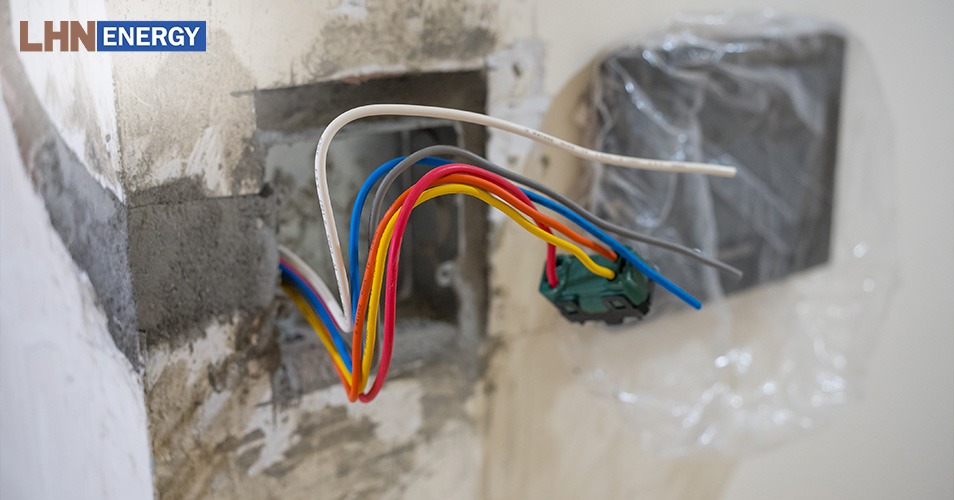
When evaluating solar panel lifespan in Singapore, it is important to consider the full system.
While modules may maintain structural integrity for decades, supporting components such as the following, can experience wear influenced by humidity and thermal cycling:
Electrical Connectors and Contact Points
Electrical connectors gradually experience oxidation and resistance changes under prolonged humidity exposure and repeated thermal cycling.
Cabling Insulation and Thermal Stress
Cables expand and contract daily in Singapore’s heat, which may influence insulation durability and long-term conductivity stability.
Junction Boxes and Moisture Exposure
Junction boxes house critical electrical pathways. Over time, environmental exposure can affect sealing integrity and internal components.
Inverter Performance and Conversion Stability
While panels generate DC power, inverters manage conversion to usable AC electricity. Component ageing within inverters may influence overall system efficiency and stability.
Understanding these ageing patterns strengthens long-term solar asset protection strategies.
Common Issues Affecting Solar Panels in Singapore’s Climate
Singapore’s tropical climate introduces specific challenges that can affect solar panel performance and lifespan. High temperatures, humidity, and frequent rainfall place continuous stress on both the panels and their supporting systems.
Heat-Related Stress and Performance Loss
Solar panels operate less efficiently at higher temperatures. Prolonged exposure to heat can reduce energy output and accelerate material fatigue over time. This effect becomes more pronounced in Singapore, as temperatures often remain consistently high, especially on rooftops with limited ventilation.
Moisture and Humidity Impact
High humidity levels increase the risk of moisture ingress, particularly if panel seals or junction boxes are compromised. Over time, this can lead to corrosion of internal components and reduced electrical performance. Frequent rain also contributes to long-term wear if drainage and installation are not properly managed.
Fire Risks in High-Heat Environments
Solar PV systems operate as live electrical installations and continue generating power during daylight, even when switched off. In Singapore’s hot and humid climate, electrical faults, loose connections, and moisture ingress can worsen over time, increasing fire risk. Without regular inspection and maintenance, issues such as overheating and component degradation may go unnoticed. Several local incidents have been linked to poor connections rather than the panels themselves, highlighting the risks of treating solar systems as “install and forget” assets.
Dirt, Debris, and Biological Build-Up
Urban dust, bird droppings, and organic debris can accumulate on panel surfaces. In humid conditions, this build-up may harden or encourage algae growth, reducing light absorption and overall efficiency. Regular cleaning becomes important to maintain consistent performance.
Structural and Weather Exposure
Heavy rainfall and occasional strong winds can place stress on mounting systems. Improper installation or ageing hardware may lead to loosening over time. This affects both safety and panel alignment, which can impact energy output.
Lifecycle Perspective: Solar as Long-Term Infrastructure
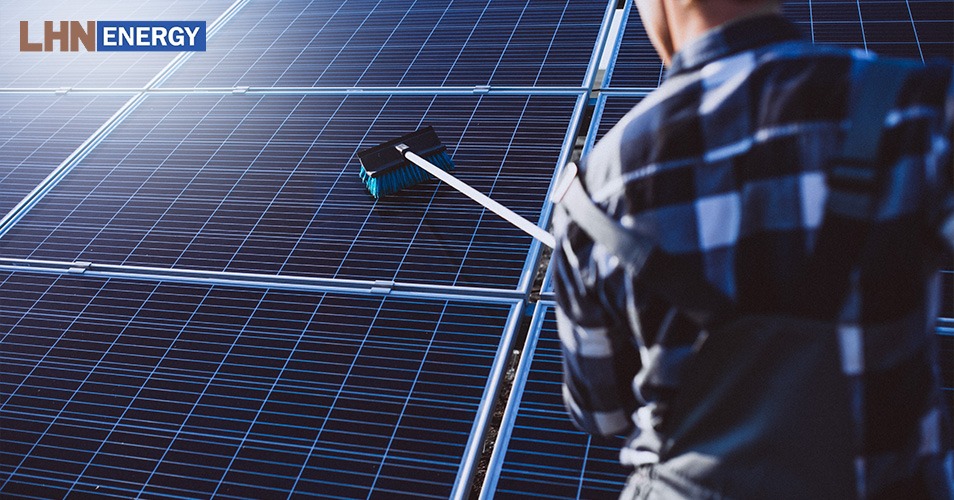
Solar installations should be evaluated as long-term infrastructure investments rather than short-term installations, especially for commercial solar panels.
Gradual efficiency shifts, environmental exposure, and component ageing are natural aspects of lifecycle progression. With structured evaluation and data-driven insight, solar systems can maintain stable performance for decades.
Property owners exploring system planning may consult a trusted solar company in Singapore for broader infrastructure considerations.
Those assessing deployment suitability across property types can explore solar panels for residential and commercial contexts.
Whether considering solar panel for home installations or evaluating commercial rooftop solar panels, understanding environmental exposure remains essential for long-term stability.
Frequently Asked Questions About a Solar Panel’s Lifespan
How long does solar panel lifespan in Singapore typically extend?
Most systems are designed for 25 years or more, with gradual output decline rather than abrupt failure.
What causes long-term solar panel efficiency loss?
Environmental exposure, material ageing, micro-cracks, and thermal stress contribute to progressive degradation.
Does Singapore’s climate significantly affect tropical climate solar performance?
Yes. Heat, humidity, and airborne particulates influence long-term output trends.
Why is solar system performance monitoring important?
Monitoring provides measurable insight into degradation trends and seasonal variation.
How does environmental impact on solar panels influence system stability?
Environmental stress affects both modules and supporting components over time, shaping long-term reliability.
When should solar panel cleaning or maintenance be considered in Singapore?
While solar panels are designed for long-term durability, visible surface buildup, irregular output patterns, or prolonged exposure to environmental pollutants may indicate that professional solar panel cleaning should be evaluated. In Singapore’s humid and urban environment, periodic assessment helps ensure stable system performance without unnecessary intervention.
Conclusion
Solar panel lifespan in Singapore is shaped by tropical exposure, structural ageing, and environmental stress factors. Viewing solar systems as long-term infrastructure assets allows property owners to interpret performance data more accurately and strengthen solar asset protection planning.
With informed evaluation and climate-aware interpretation, solar installations can deliver sustained value across decades of operation.
For broader infrastructure planning considerations, Consult us today to discuss long-term solar performance strategies in Singapore’s tropical environment.