
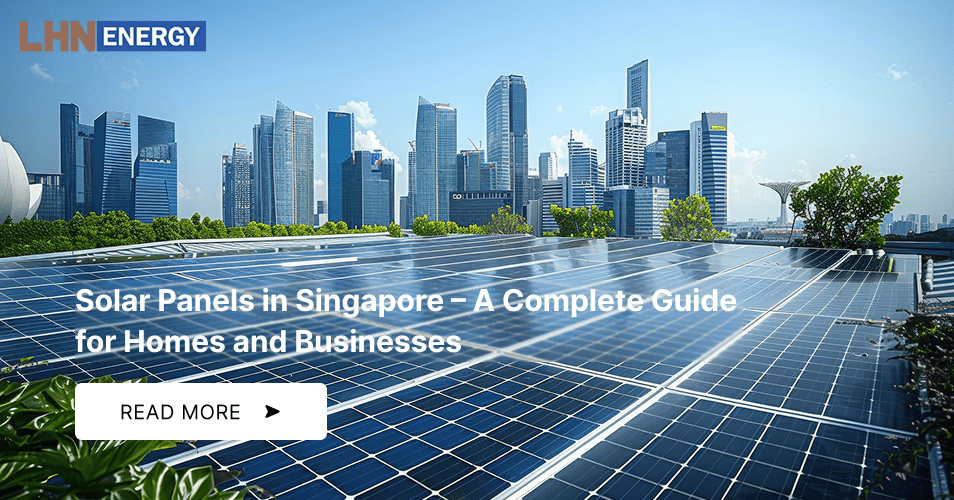
Solar Panels in Singapore – A Complete Guide for Homes and Businesses
Introduction
Electricity costs in Singapore are no longer something property owners can afford to ignore. With energy prices remaining volatile and businesses facing growing pressure to improve sustainability, more people are starting to view solar energy not simply as an environmental choice, but as a long-term financial decision.
Across the world, solar adoption has accelerated rapidly over the past few years as panel costs have gradually declined and energy efficiency continues improving. In Singapore, this shift has become increasingly relevant as landed homeowners, commercial buildings and industrial facilities look for ways to manage rising operational costs while reducing dependence on grid electricity. Interest in solar panels in Singapore has grown not only because of sustainability goals, but also because many property owners are now looking for greater energy predictability over time.
At the same time, many people still hesitate before making the switch. Questions around installation costs, system lifespan, maintenance requirements, payback periods and roof suitability remain common. Understanding these considerations clearly is often what helps property owners decide whether solar is genuinely worthwhile for their situation.
This guide explores the key factors shaping solar adoption in Singapore today, including pricing considerations, industry trends, common concerns, and what property owners should realistically expect when planning a solar installation.
Key Takeaways:
- Solar panels work year-round in Singapore. With an average of 4.3 peak sun hours daily and consistent equatorial sunlight, Singapore is well-suited for solar generation — even on cloudy or rainy days.
- Most systems pay for themselves within 3 to 7 years. After that, panels continue generating savings for 25 years or more, making solar a long-term financial asset rather than just an environmental choice.
- You do not need upfront capital to go solar. Under a Power Purchase Agreement (PPA), a provider installs and maintains the system at no cost to you — you simply pay for the electricity generated at a below-tariff rate.
- Solar suits most property types in Singapore. Landed homes, condominiums under MCST management, and commercial or industrial buildings all have viable solar pathways — each with different system sizes, financing models, and approval processes.
- Rising electricity tariffs strengthen the case for solar. With household tariffs at 29.72 cents per kWh in Q2 2026 and further increases expected, every quarter of delay is a quarter of savings foregone.
- Government policy actively supports solar adoption. Initiatives including SolarNova and the Green Plan 2030 have created a supportive regulatory environment, with agencies working to lower barriers for both residential and commercial property owners.
Why Solar Panels Matter in Singapore’s Energy Landscape
Singapore faces unique energy challenges due to its limited land area and lack of domestic fossil fuel reserves. The city-state relies heavily on imported natural gas, making energy security and sustainability pressing national priorities. With local electricity tariffs rising into 2026 and global supply pressures showing no signs of easing, more homeowners and businesses are turning to solar as a practical and financially sound response.
To meet its climate and sustainability goals, Singapore has set ambitious targets for solar deployment, focusing on rooftops, industrial estates, and even floating solar farms on reservoirs. Urban density and limited land make these strategies critical for maximising energy yield without compromising other land uses.
Agencies such as the Energy Market Authority and Public Utilities Board (PUB) have supported initiatives that enable solar adoption on industrial and water surfaces. They demonstrate the role of coordinated policy and innovative solutions in expanding the nation’s renewable energy capacity.
Solar as Singapore’s Most Scalable Renewable Option
Among available renewable sources, solar energy has emerged as the most practical option for local power generation. Singapore’s consistent tropical sunlight makes rooftop solar viable year-round, while innovations such as floating solar farms on reservoirs demonstrate how the nation maximises energy yield within its land constraints. Singapore is also on track to meet its 2030 solar deployment targets.
Government Policy and the Push for Solar Adoption
Singapore’s Green Plan 2030 sets clear targets for solar deployment across rooftops, industrial estates, and public infrastructure. Agencies including the Energy Market Authority (EMA) and PUB have supported coordinated initiatives that lower barriers to adoption for both residential and commercial property owners, making now an opportune time to evaluate solar for your property.
Should you install solar panels in Singapore?
Not every property is identical, but most in Singapore meet the core criteria for viable solar adoption. This section helps you self-assess before going further.
Is Solar Worth It in Singapore?
For many landed homes and commercial properties, solar energy has become increasingly worthwhile from both a financial and operational perspective. A properly sized system can significantly reduce monthly electricity expenditure, with payback periods commonly ranging from three to seven years, depending on energy usage patterns, installation scale, and financing arrangements. After reaching payback, systems can continue generating savings for 25 years or longer with proper maintenance.
The economics of solar have also become more compelling as electricity tariffs continue to fluctuate. With Singapore electricity tariffs reaching 29.72 cents per kWh for the period from 1 April to 30 June 2026, many property owners are now evaluating solar to gain greater long-term energy cost stability rather than remaining fully exposed to future tariff increases.
Solar Panels vs Grid Electricity
Solar does not replace the grid entirely, most Singapore systems remain grid-connected, but it substantially reduces what you draw from it and pay for.
Solar Panels for Homes vs Businesses: Which Makes More Sense?
Both property types benefit, just with differences in scale and financing approaches.
How Solar Panels Generate Electricity in Singapore’s Climate
Singapore’s position near the equator gives it one of the most consistent solar irradiation profiles in the world, averaging 4.3 peak sun hours daily year-round. Understanding how panels convert that sunlight into usable electricity helps set realistic expectations for your system’s performance.
The Photovoltaic Process: From Sunlight to Electricity
Solar panels convert sunlight into electricity through the photovoltaic (PV) effect. When light strikes the panel surface, it excites electrons within the silicon semiconductor material, generating direct current (DC) electricity. An inverter then converts this into alternating current (AC), the standard form used by homes and businesses.
Choosing a certified solar panel installer ensures inverter selection, wiring, and system sizing are handled to Singapore’s regulatory standards.
Performance During Singapore’s Cloudy and Rainy Weather
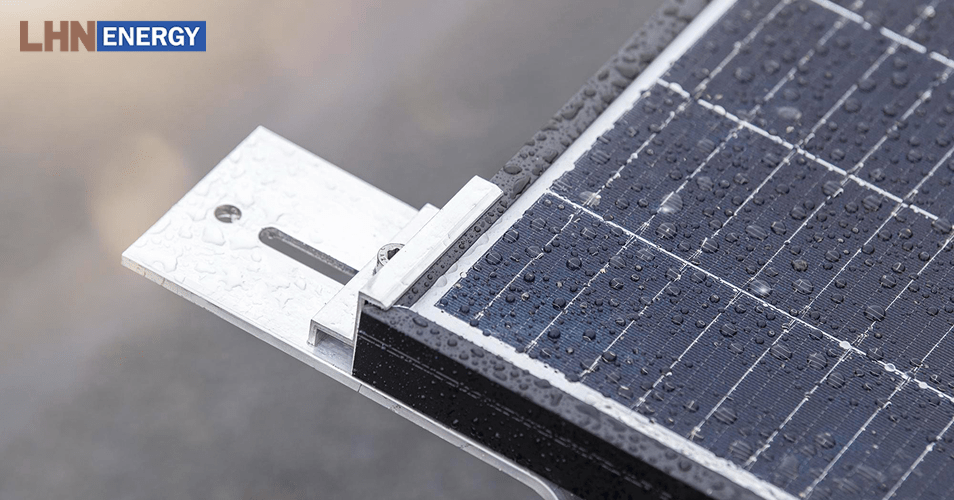
Solar panels do not require direct sunlight to generate electricity. On overcast days, panels operate at approximately 10–25% of peak capacity through diffused light. Tropical rainfall also benefits panels naturally, washing away dust and debris that would otherwise reduce efficiency. Modern panels are sealed against water ingress and built for tropical durability.
For periods of low generation, solar battery storage retains surplus energy from sunnier periods for use at night or during extended cloud cover.
Types of Solar Panels Commonly Used in Singapore
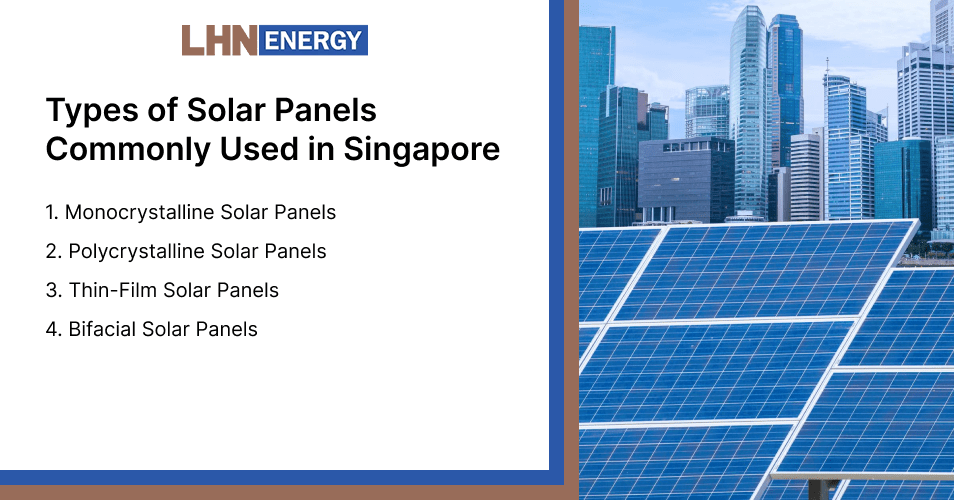
Singapore’s tropical climate, limited rooftop space, and high energy demand make the choice of solar panels an important consideration for both homes and businesses. Here’s an overview of the most commonly used solar panel types in Singapore:
1. Monocrystalline Solar Panels
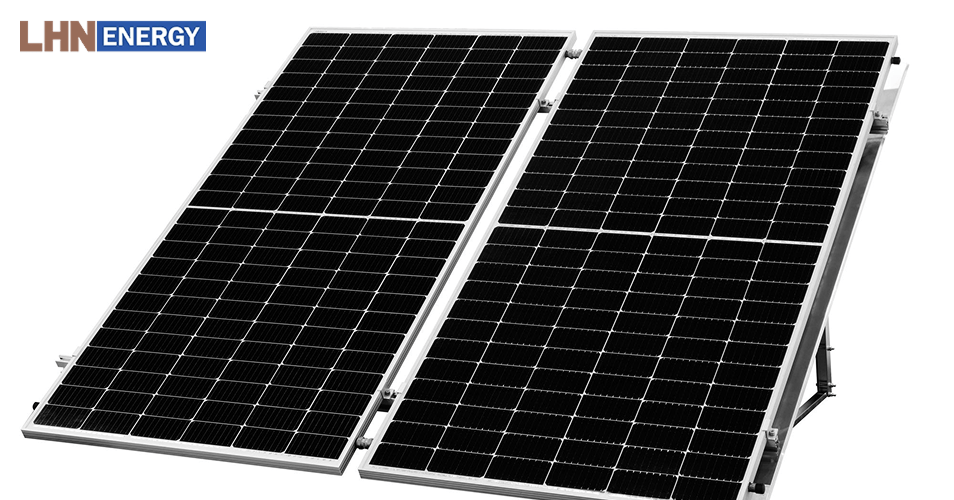
Monocrystalline panels are known for their high efficiency and compact design, making them ideal for rooftops with limited space. Their uniform dark appearance reflects the single-crystal structure of silicon, which allows for superior energy conversion. In Singapore, where rooftop area is often constrained, monocrystalline panels are a popular choice for maximising electricity generation per square metre.
2. Polycrystalline Solar Panels
Polycrystalline panels offer a more cost-effective alternative, though they are slightly less efficient than monocrystalline options. They are well-suited for installations where space is less of a constraint and budget considerations are a priority. Their characteristic blue hue comes from multiple silicon crystals fused, serving as a viable solution for larger rooftops or commercial solar farms.

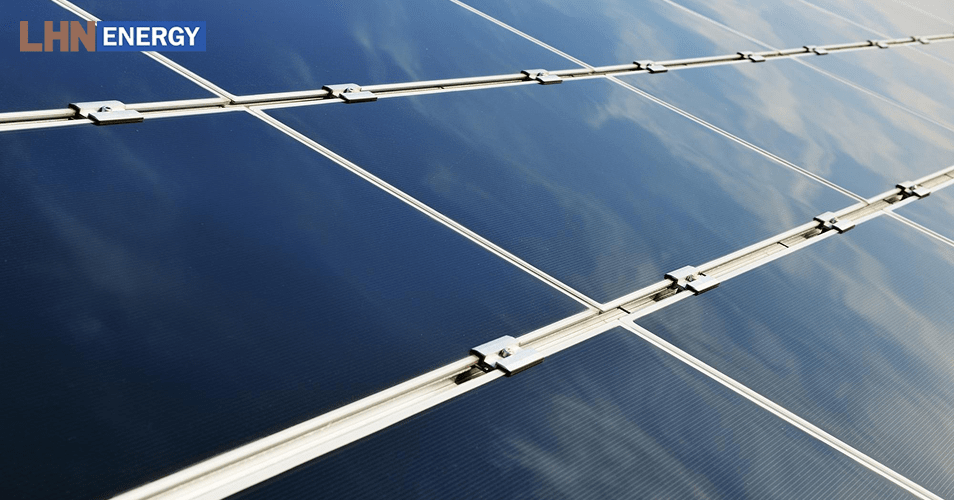
3. Thin-Film Solar Panels
Thin-film panels are lightweight and flexible, making them suitable for niche applications where traditional rigid panels may not be practical. While generally less efficient than crystalline panels, their low weight and adaptability make them a choice for unconventional surfaces or temporary installations.
4. Bifacial Solar Panels
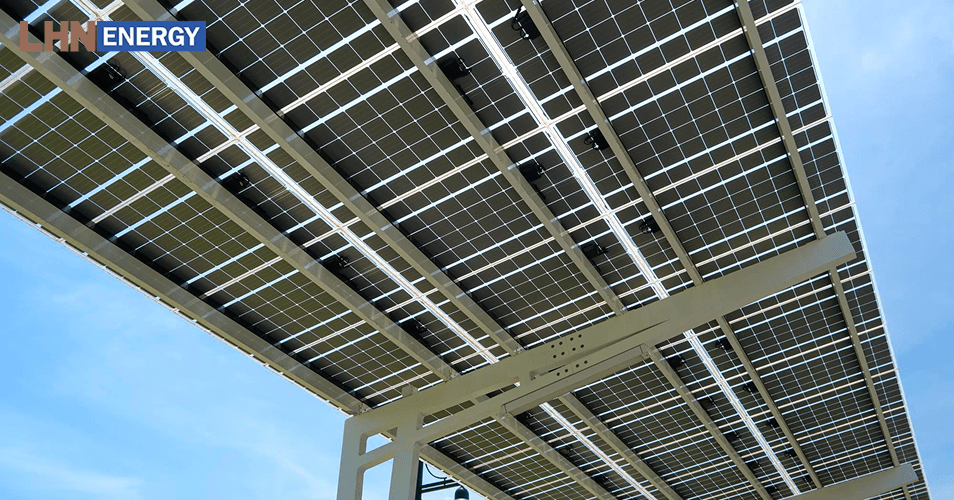
Bifacial panels represent a notable innovation in the solar industry, capable of harvesting sunlight from both the front and rear sides. Unlike traditional monofacial panels, bifacial designs use transparent materials on the rear, allowing reflected light to reach the photovoltaic cells and increase overall energy yield. These panels are ideal for industrial rooftops, open areas, and locations where reflective surfaces can enhance performance.
How Efficient Are Solar Panels in Singapore?
What Factors Affect Solar Panel Output?
The efficiency of solar panels in Singapore is influenced by several environmental and structural factors. While modern photovoltaic technology is capable of converting sunlight into electricity with increasing effectiveness, real-world performance depends on the conditions under which the panels operate.
1. Roof Orientation
The angle and direction of your rooftop affect how much direct sunlight panels receive throughout the day. South-facing or well-angled rooftops typically capture the most sunlight, optimising energy generation.
2. Shading
Even partial shading from nearby trees, buildings, or other structures can significantly reduce output, as solar cells in shaded areas produce less electricity. Minimising shadow exposure is crucial for maintaining consistent efficiency.
3. Weather Patterns
Singapore’s tropical climate brings a mix of sunny, cloudy, and rainy days. While panels can generate power on overcast days through diffused sunlight, prolonged periods of cloud cover naturally reduce overall daily output.
4. Panel Degradation Over Time
Like all electronic equipment, solar panels gradually lose efficiency due to material fatigue and exposure to the elements. Most high-quality panels degrade at a slow rate, typically around 0.5% per year, ensuring reliable performance for decades with minimal loss.
Typical Energy Yield Expectations in Singapore
Singapore’s consistent tropical sunlight makes solar panels a reliable energy source year-round, even without distinct seasons. On average, a well-positioned system can produce 1,000 to 1,200 kWh per kWp annually, though actual output depends on factors such as panel type, roof orientation, and shading. Despite occasional cloud cover or rainfall, solar energy remains a viable and effective solution for both homes and businesses.
1. Assess Your Energy Consumption
The first step in estimating solar energy yield is understanding your electricity usage. Review your past utility bills to determine annual consumption in kilowatt-hours (kWh), the standard measure of electricity. Dividing this figure by 365 provides your average daily energy requirement, which is essential for calculating the size and capacity of a solar system suitable for your property.
2. Sunlight Availability and Peak Hours
Solar panel output is highest during peak sun hours, which in Singapore average about 4.3 hours per day. This period represents when sunlight intensity is sufficient to generate maximum electricity. Roof orientation, tilt angle, and shading from nearby structures can influence the efficiency of panels during these hours, so site-specific conditions are critical to consider.
3. Efficiency Considerations and Performance Ratio
Real-world solar output is influenced by several efficiency-reducing factors, including dust, wiring losses, inverter efficiency, and partial shading. These are accounted for using a performance ratio, typically ranging from 0.75 to 0.9, which provides a more realistic expectation of energy production. By factoring in these variables, you can better estimate the panel quantity required to meet your energy needs.
4. Estimating Panel Requirements
For example, an industrial facility with an annual consumption of 1,000,000 kWh would require a system capable of producing roughly 2,740 kWh per day. For homeowners or businesses unsure about calculations, using a solar calculator or consulting a reputable solar installer in Singapore ensures a tailored, accurate assessment.
Solar Panel Options by Property Type in Singapore
Solar energy adoption varies depending on property type, rooftop ownership, and usage patterns. Understanding these differences helps property owners and managers assess how solar can contribute to energy efficiency, without diving into installation specifics.
1. Solar Panels for Landed Homes
Landed properties offer the most straightforward path to solar adoption in Singapore. With direct roof ownership and no strata approval requirements, homeowners can size and install a system based entirely on their own energy consumption and budget.
Most residential systems for landed homes range from 5 to 10 kWp, positioned to maximise south-facing roof exposure. Self-consumption is the primary goal, panels offset daytime electricity usage directly, with surplus electricity exported to the grid under the Enhanced Central Intermediary Scheme (ECIS) for additional bill credits.
For homeowners evaluating system options, roof condition and orientation assessments are the natural starting point. Learn more about how solar works for residential properties on our solar panels for home page.
2. Solar Panels for Condominiums and MCSTs
High-rise and strata-titled properties operate under a different ownership structure, where the Management Corporation Strata Title (MCST) governs common areas including rooftops, lobbies, and shared electrical infrastructure.
Solar adoption in these properties is focused on common-area energy like lifts, corridor lighting, pool pumps, and other shared services rather than individual units. This reduces the MCST’s overall electricity expenditure, lowering maintenance fees over time.
Many common misconceptions on implementing solar panels in a property include concerns about high costs, complicated approvals, or installation safety. In practice, MCST-managed solar projects are well-precedented in Singapore, and proper planning with transparent resident communication resolves most objections. The key steps involve a feasibility study, resident or council approval, and appointment of a qualified installer to manage submissions and deployment.
3. Solar Panels for Commercial and Industrial Buildings
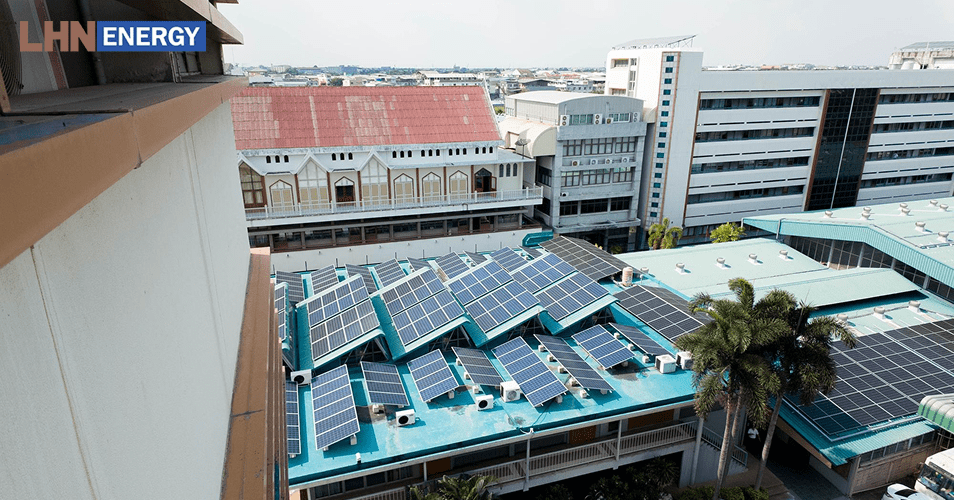
Commercial and industrial rooftops represent the strongest opportunity for large-scale solar adoption in Singapore. Expansive roof areas, high daytime energy consumption, and the alignment between solar peak generation hours and business operating hours create favourable conditions for significant energy offset.
Systems for commercial and industrial properties are custom-designed to match operational load profiles, machinery demands, and roof configurations, including multi-roof or multi-building setups. Larger system capacities benefit from lower per-kWp costs, improving overall return on investment for commercial PV panels.
For businesses evaluating solar as part of their sustainability or cost-reduction strategy, understanding the financing model is as important as the system itself. PPA arrangements are particularly well-suited to commercial operators who prefer zero capital outlay, while EPC ownership suits those seeking full asset control and depreciation benefits.
On-Grid vs Off-Grid Solar Systems in Singapore
Understanding the difference between on-grid and off-grid solar systems is key to evaluating solar energy’s potential for homes and businesses in Singapore. Each system has distinct benefits and considerations, shaped by the city-state’s urban density, energy infrastructure, and energy consumption patterns.
Why Most Solar Panels in Singapore Are Grid-Connected
The majority of solar installations in Singapore are grid-connected, meaning the system is linked to the national electricity grid. Grid connectivity ensures a reliable power supply, allowing users to draw electricity from the grid when solar generation is insufficient, such as during nighttime or cloudy weather.
Singapore’s limited rooftop space also influences this preference. On-grid systems allow homeowners and businesses to supplement solar energy with grid power, maximising efficiency without requiring large battery storage. This approach provides a practical balance between self-generated electricity and consistent energy availability.
What is the Role of Solar Battery Storage?
While grid-connected systems are prevalent, solar battery storage is increasingly used to enhance energy management. Batteries can store excess solar energy produced during peak sunlight hours for later use, enabling peak shaving that reduces reliance on the grid during high-demand periods.
In addition, batteries facilitate tariff optimisation, allowing households and businesses to consume stored energy when electricity rates are higher, improving cost-effectiveness. Combined with solar panels, battery storage increases flexibility, energy resilience, and efficiency, making solar systems more adaptable to Singapore’s urban environment.
Cost Considerations of Solar Panels in Singapore
Singapore households and businesses continue to face rising electricity costs as global energy markets remain volatile. Following the electricity tariff revisions for 2026, many property owners have started evaluating solar energy not only from a sustainability perspective but also as a long-term financial strategy. For some landed households consuming between 600 and 800 kWh per month, electricity bills can exceed S$150 to S$200 per month, while larger commercial and industrial facilities may incur substantially higher recurring energy expenses.
Against this backdrop, the cost of installing solar panels in Singapore is increasingly being weighed against the long-term savings potential rather than the upfront investment alone. Residential systems in Singapore commonly range from approximately S$10,000 to S$40,000, depending on roof size, panel capacity and system complexity, while commercial and industrial installations may range from tens of thousands to several hundred thousand dollars, depending on scale and energy demand.
Several key factors determine the overall financial considerations involved in adopting solar energy in Singapore:
1. Panel Type
Monocrystalline, polycrystalline, thin-film, and bifacial panels each have different manufacturing costs, efficiency levels, and space requirements, affecting overall pricing. High-efficiency panels, such as monocrystalline or bifacial options, typically command higher costs due to their superior performance and energy yield.
2. System Size
The total number of solar panels required to meet a property’s energy needs directly impacts cost. Larger systems produce more energy but require more panels and materials, increasing the overall investment.
3. Financing Model
While not a service offering, the way a solar system is financed can affect cash flow and budget planning. Different financing options, such as upfront purchase, leasing, or loan schemes, may influence the total expenditure over time without changing the system itself.
Every property has unique energy needs. Instead of relying on general estimates, use our solar calculator tool to get a personalised projection of potential system size, cost range, and estimated savings.
Even without factoring in installation, solar panels can be acquired through various payment arrangements that suit individual financial preferences. Some homeowners may opt for an outright purchase, while others use financing schemes to spread the cost over time.
Understanding these options allows property owners to plan budgets and assess return on investment:
1. Ownership vs Usage
When considering solar energy, it’s important to distinguish between ownership and usage models. Owning the solar panels outright gives you full control over energy production, potential savings, and long-term asset value. Alternatively, usage-based models, such as Power Purchase Agreements (PPAs), allow property owners to pay for the energy consumed without owning the system, shifting operational responsibilities to the provider. Both approaches have their advantages depending on financial goals, property type, and appetite for maintenance or capital expenditure.
2. CAPEX vs OPEX Mindset
Solar adoption can be approached from either a capital expenditure (CAPEX) or operational expenditure (OPEX) perspective. A CAPEX mindset involves an upfront investment in solar panels, typically paired with long-term savings on electricity bills and potential asset appreciation. An OPEX mindset, on the other hand, treats solar as a service. This means payments are made over time according to energy usage, which can improve cash flow and reduce the need for upfront capital.
Government Policies and Sustainability Push in Singapore
How Singapore’s Solar and Sustainability Roadmap Looks Like
Singapore has taken a proactive approach to solar energy and sustainable development, guided by programmes and standards that support widespread adoption of renewable energy.
1. SolarNova Programme
Launched in 2014, the SolarNova programme is a whole-of-government initiative led by the Economic Development Board (EDB) and HDB. Its aim is to accelerate solar photovoltaic (PV) deployment across government buildings, creating economies of scale and supporting the growth of Singapore’s solar industry. The EDB aggregates demand from agencies, provides funding for feasibility studies, and works with the Solar Energy Research Institute of Singapore (SERIS) to assess and determine solar PV requirements.
2. BCA Green Mark 2021
The Green Mark 2021 (GM: 2021) scheme is Singapore’s internationally recognised green building certification, tailored to the tropical climate. It sets higher sustainability standards for new and existing buildings, including commercial, industrial, institutional, and residential properties.
Key focus areas cover:
- Designing for maintainability
- Reducing embodied carbon across building lifecycles
- Integrating smart technologies
- Enhancing resilience to climate change
- Promoting healthier environments for building occupants
Aligned with the United Nations Sustainable Development Goals, GM: 2021 was pilot-launched in April 2021 under the Singapore Green Building Masterplan and became effective on 1 November 2021.
Through initiatives like SolarNova and Green Mark 2021, Singapore continues to encourage energy efficiency, renewable adoption, and sustainable practices across the built environment.
What are the Common Myths About Solar Panels in Singapore?
Despite growing interest in solar energy, misconceptions still surround its performance, cost, and maintenance in Singapore. In this section, we address common myths and clarify how solar panels actually operate in the city-state’s tropical climate.
1. “Solar Panels Don’t Work Well in Singapore”
A common misconception is that Singapore’s frequent cloud cover and tropical weather limit solar panel performance. In reality, solar panels can still generate electricity from diffused sunlight, and modern panels are designed to maintain consistent output even on overcast days. While peak production occurs during sunny hours, systems continue to contribute to energy needs year-round, making solar a viable option despite the occasional rain or haze.
2. “Solar Panels Are Too Expensive”
While the upfront cost of solar panels may appear significant, efficiency, longevity, and potential energy savings make them a practical long-term investment. Factors such as panel type, system size, and financing models influence overall costs, but these can be balanced against reduced electricity bills and potential government incentives. Understanding the economics and energy yield helps property owners make informed decisions without overestimating costs.
3. “Maintenance Is High in Tropical Weather”
Tropical conditions do not inherently make solar panels high-maintenance. Modern panels are engineered to withstand heat, humidity, and rain, with durable, sealed components that resist water and debris. Rain often helps clean panels naturally, while occasional inspections ensure optimal performance. Routine maintenance is straightforward, ensuring panels remain efficient and durable even in Singapore’s climate.
How Solar Panels Fit Into a Broader Clean Energy Ecosystem
Solar panels are a key component of Singapore’s broader clean energy ecosystem, working alongside energy storage, smart grids, and efficiency measures to reduce reliance on fossil fuels. Understanding their role helps homeowners and businesses see how solar contributes to a sustainable, resilient, and low-carbon energy future.
1. Solar Panels and Electric Vehicles
Solar energy and electric vehicles (EVs) complement each other naturally, particularly for homeowners and businesses looking to maximise sustainability. By charging EVs during the day, when solar panels generate peak electricity, property owners can reduce reliance on grid power and optimise energy self-consumption. This synergy is especially relevant for workplaces or fleet operators, where multiple vehicles can be charged simultaneously, aligning daytime energy demand with solar generation and enhancing overall efficiency.
2. Solar Panels as Part of Long-
Term Energy Planning
Incorporating solar panels into a property’s energy strategy offers more than immediate cost savings. It also supports long-term planning and resilience. Solar energy helps mitigate the impact of tariff volatility, providing a predictable source of electricity amid fluctuating energy prices. Additionally, using renewable energy contributes to a significant reduction in carbon footprint, aligning with environmental goals and sustainability commitments.
Tools and Resources to Better Understand Solar Panels in Singapore
Adopting solar energy is easier when you have the right tools and information to evaluate system potential, costs, and long-term savings. The following resources help homeowners and businesses in Singapore make informed decisions.
1. Estimating Solar Energy Potential
A solar calculator is a simple yet effective tool for assessing how much energy your rooftop can generate. By inputting basic information such as roof size and electricity rate, you can quickly see estimated monthly energy production, potential savings, and the expected payback period. This provides a practical starting point for understanding whether solar is a viable option for your property.
2. Comparing Solar Options and Quotes
Before selecting a solar system, it’s important to understand what a solar quote includes. Typical quotes provide details on:
- The solar panel system and its components
- Expected energy output
- Warranties
- Installation considerations
Familiarity with terms like kilowatt-hours (kWh), panel efficiency, and system components ensures you can compare options meaningfully.
Frequently Asked Questions
1. Are solar panels suitable for all building types in Singapore?
Solar panels can be installed on a wide range of buildings in Singapore, from landed homes and condominiums to commercial and industrial rooftops. The suitability depends on factors such as rooftop area, orientation, shading, and energy needs, but modern solar technologies offer solutions for most property types in Singapore’s dense urban environment.
2. How long do solar panels typically last?
High-quality solar panels are designed to operate efficiently for 25 years or more, with gradual efficiency degradation over time. With proper maintenance and durable materials, panels can continue producing reliable electricity well beyond their expected lifespan.
3. Can solar panels help reduce long-term electricity costs?
Yes. By generating electricity on-site, solar panels reduce reliance on grid power, which can lower monthly bills and hedge against rising electricity rates. Over time, the energy savings can offset initial investment costs and deliver long-term financial benefits.
Conclusion
Once you understand how solar panels generate electricity and their role within Singapore’s clean energy ecosystem, the next step is to explore the options that align with your property and energy goals. Whether considering Solar EPC solutions for full system ownership or a PPA for usage-based energy, having clarity on system type and financing is essential. Solar energy solutions can be customised to suit a variety of properties, from large commercial and industrial installations to residential rooftops. They enable owners to optimise efficiency, lower energy costs, and support long-term sustainability goals.